
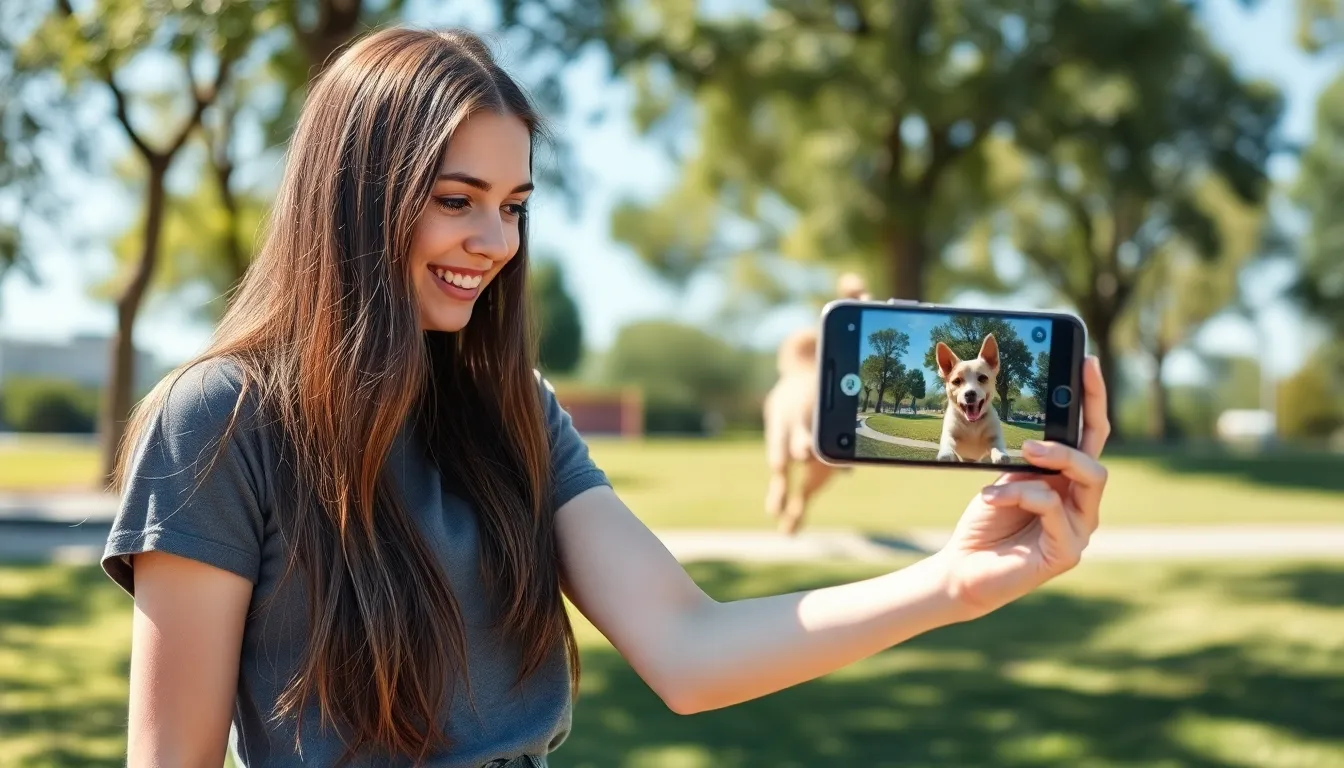
Ever tried capturing that perfect moment only to realize it looks like it’s stuck in molasses? Slow-motion videos can be a blast, but sometimes they need a little tweaking to unleash their true potential. Whether it’s your dog’s epic leap or your friend’s questionable dance moves, changing the speed can turn a snooze-fest into a highlight reel.
Understanding Slow Motion Video on iPhone
Capturing moments in slow motion on an iPhone adds an extraordinary quality to videos. Many users appreciate the unique perspective this technique offers.
What Is Slow Motion Video?
Slow motion video refers to footage recorded at a higher frame rate. Frame rates like 120 fps or 240 fps result in smooth motion when played back at standard speed, typically 30 fps. This type of video enhances the visual experience by showcasing details often missed by the naked eye. For example, a raindrop splashing or a bird taking flight becomes mesmerizing when slowed down.
Benefits of Using Slow Motion
Using slow motion offers various advantages. One significant benefit is the ability to emphasize action. A dance move or a sports moment can highlight intricate details, making the content more engaging. Additionally, it adds an artistic flair to ordinary clips. A simple moment transforms into a captivating storytelling element with slower motion. Slow motion also creates opportunities for creative editing, allowing users to mix speeds and enhance overall visual narratives.
Steps to Change Slow Motion Video on iPhone
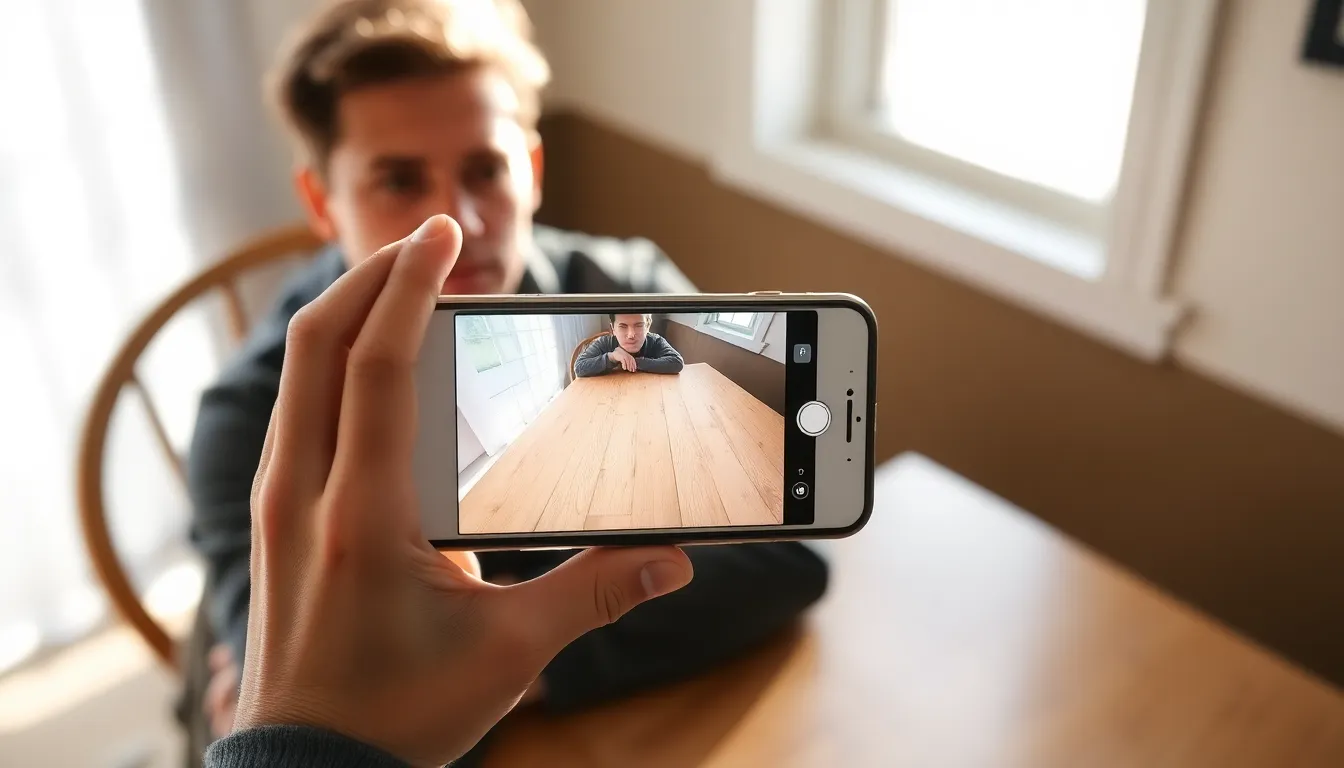
Changing the speed of a slow-motion video on an iPhone involves several straightforward steps. Users can easily navigate this process through their device’s Photos app.
Accessing the Photos App
To start, open the Photos app on the iPhone. You’ll find the icon on the home screen. Look for the “Albums” tab at the bottom. There, select “Videos” or “Slow-Motion” to view your footage. Users can also swipe down to locate specific videos quickly. Identifying the slow-motion section helps streamline the selection process.
Selecting Your Slow Motion Video
Next, browse through the gallery to find the desired slow-motion video. Users can tap on the thumbnail to open it. A play option appears in the center of the screen when the video is selected. Choosing the correct video is key for making specific edits. Dismiss distractions by focusing solely on the footage that requires adjustment.
Adjusting the Slow Motion Settings
After selecting the video, tap “Edit” on the screen’s top right corner. This action opens additional editing options. Users will see a slider at the bottom representing the slow motion sections. Adjust the slider to modify the playback speed, allowing for more dramatic emphasis or quicker transitions, depending on the desired effect. Lastly, tap “Done” to save changes, ensuring the video reflects the intended outcome.
Tips for Enhanced Slow Motion Editing
Editing slow-motion videos can elevate their impact. Utilizing various techniques enriches the viewing experience and captures attention.
Experimenting with Speed Control
Adjusting playback speed opens new creative avenues. Increasing speed for specific sections can create dramatic moments, while decreasing it emphasizes action. Experimenting with different rates allows users to find the perfect balance. For instance, a slow-motion shot of a dog catching a ball can shift between intense slow motion and more standard playback, revealing dynamic storytelling. Users can also try reversing segments for surprising effects, adding unexpected twists to their videos. Exploring these options leads to unique visual outcomes.
Adding Music and Effects
Incorporating music enriches the overall feel of a slow-motion video. Selecting the right track enhances emotions and connects with viewers. Additionally, sound effects can amplify the action, such as adding a swoosh sound during a leap or splash. Syncing audio with visual moments creates a cohesive and engaging experience. It’s important to match the beat of the music with key actions to maximize impact. Using apps allows users to easily overlay these elements on their videos, making enhancements simple and effective.
Common Issues and Troubleshooting
Slow-motion video editing on iPhone can sometimes present challenges. Users frequently encounter specific issues that hinder their experience.
Audio Sync Problems
Audio sync problems often arise in slow-motion videos. Sometimes, the sound doesn’t match the visuals, creating a disjointed viewing experience. When adjusting the speed of footage, it’s essential to check both audio and video playback for alignment. Users can fix this by ensuring they minimize speed adjustments on the audio track. If sync issues persist after editing, re-exporting the video might resolve unexpected discrepancies.
Exporting Issues
Exporting issues can interrupt the workflow. Videos may fail to export correctly, resulting in incomplete files. Users might notice their slow-motion clips becoming unresponsive during the exporting process. To address this, closing background applications can free up necessary resources. Less clutter can lead to smoother exports. Wait for the device to finish processing any tasks and try exporting again. Regularly checking for iOS updates can also help fix performance issues that impact exporting capabilities.
Changing the speed of slow-motion videos on an iPhone opens up a world of creative possibilities. Whether it’s to highlight a joyful moment or to add a dramatic flair to a scene, mastering this technique can significantly enhance the storytelling aspect of any video.
By following the simple steps outlined in the article, users can easily adjust playback speeds and explore various editing options. Experimenting with these features not only elevates the visual appeal but also allows for a more engaging viewer experience.
With the right adjustments and a bit of creativity, slow-motion videos can transform ordinary moments into captivating highlights that resonate with audiences.


