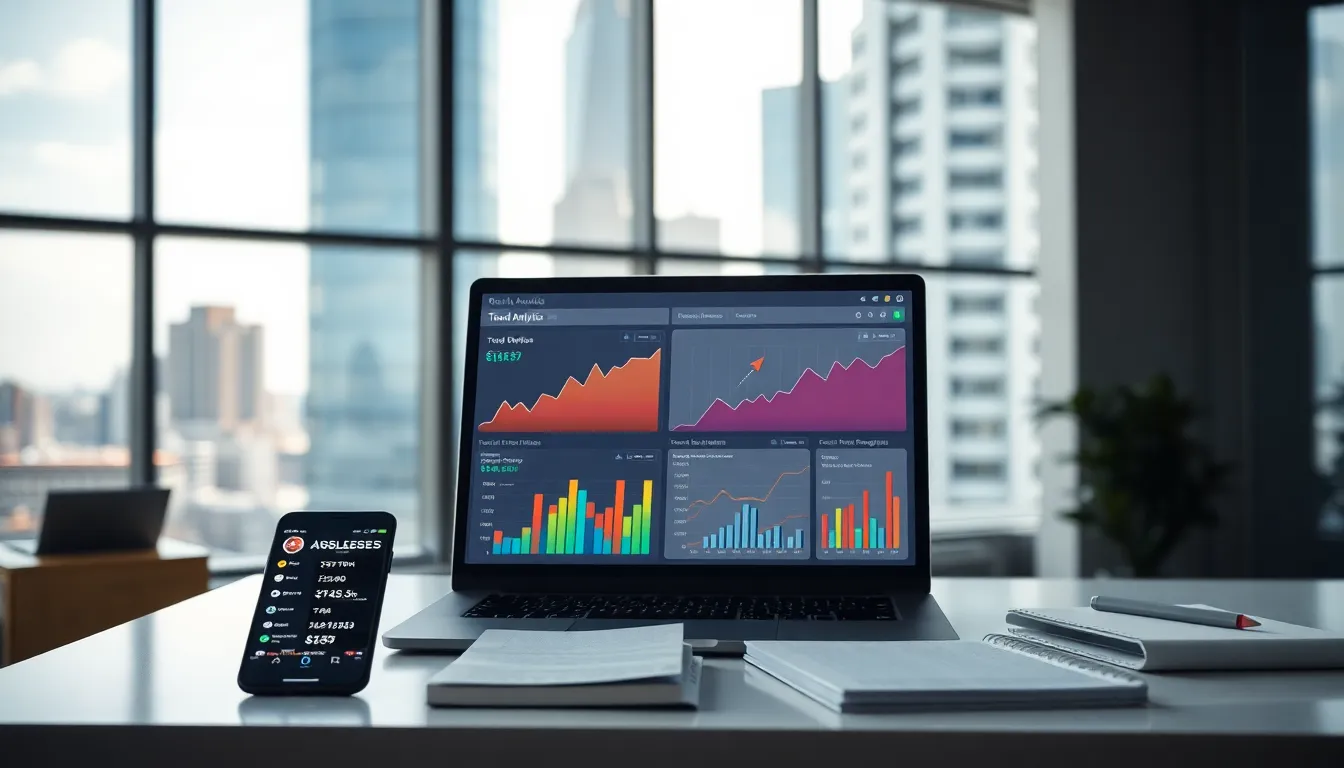
A trending now guide helps people spot what’s popular before everyone else catches on. Trends shape buying decisions, content strategies, and cultural conversations. They move fast. Miss them, and opportunities slip away.
This guide breaks down how trends work, where they start, and how to use them effectively. Whether someone runs a business, creates content, or simply wants to stay informed, understanding trends offers a real advantage. The key isn’t just knowing what’s hot, it’s knowing what’s about to be.
Table of Contents
ToggleKey Takeaways
- A trending now guide helps you spot popular topics early, giving you a competitive advantage in content, business, and cultural conversations.
- Use tools like Google Trends, Exploding Topics, and BuzzSumo alongside social media platforms to cross-reference trend data and avoid blind spots.
- Trends differ from fads—focus on patterns with staying power that signal broader shifts in behavior, not just momentary spikes.
- Act quickly when a relevant trend appears, but ensure it aligns with your brand identity and audience expectations to maintain credibility.
- Add unique value by offering original perspectives or fresh formats rather than simply acknowledging what’s trending.
- Balance trend-focused content with evergreen material to attract immediate attention while building long-term value.
What Does Trending Now Mean?
“Trending now” refers to topics, products, or ideas gaining rapid popularity at a specific moment. Social media platforms, search engines, and news outlets track these surges in interest. When something trends, it means large numbers of people are searching for it, talking about it, or engaging with it simultaneously.
Trends differ from fads. A fad burns bright and disappears quickly, think fidget spinners. A trend has staying power and often signals a broader shift in behavior or preferences. The trending now guide approach focuses on identifying patterns that matter, not just momentary spikes.
Platforms like Google Trends, Twitter/X, TikTok, and Instagram each define “trending” slightly differently. Google measures search volume increases. Social platforms track hashtags, mentions, and engagement rates. Understanding these distinctions helps users interpret trend data more accurately.
Some trends are global. Others are hyper-local or niche-specific. A beauty product might trend among Gen Z users in the U.S. while a political hashtag trends in Europe. Context matters when evaluating what “trending now” actually means for any given audience.
How to Discover What’s Trending
Finding trends requires the right tools and a consistent monitoring habit. Here are the most effective methods:
Use Dedicated Trend Tracking Tools
Google Trends remains the gold standard for search-based trend discovery. It shows what people search for, when interest peaks, and how topics compare over time. Users can filter by region, time frame, and category.
Exploding Topics identifies trends before they peak. It scans millions of sources to surface emerging topics early. This gives businesses and creators a head start.
BuzzSumo tracks content performance across social platforms. It reveals which articles, videos, and posts generate the most engagement in any given niche.
Monitor Social Media Platforms Directly
Each major platform offers built-in trending features. Twitter/X displays trending hashtags and topics. TikTok’s Discover page shows viral sounds, effects, and videos. Instagram’s Explore algorithm surfaces popular content based on user behavior.
Reddit serves as an early warning system for trends. Subreddits often discuss products, memes, and ideas weeks before they hit mainstream awareness. Monitoring relevant subreddits can provide valuable foresight.
Follow Industry Publications and Newsletters
Trade publications and curated newsletters aggregate trend information for specific industries. Fashion, tech, marketing, and finance all have dedicated sources that analyze emerging patterns.
A solid trending now guide strategy combines multiple sources. Relying on one platform creates blind spots. Cross-referencing data from search tools, social platforms, and industry sources produces the clearest picture of what’s gaining momentum.
Top Categories Where Trends Emerge
Trends don’t appear randomly. They cluster in predictable categories. Understanding where trends typically emerge helps users focus their monitoring efforts.
Technology and Gadgets
New devices, software updates, and tech innovations generate consistent trend activity. AI tools, smartphone releases, and gaming hardware drive massive search volume. Tech trends often influence other categories, from fashion (wearables) to entertainment (streaming platforms).
Fashion and Beauty
Seasonal collections, celebrity endorsements, and viral TikTok products create constant movement in these industries. A single influencer post can make a product trend within hours. Beauty trends, in particular, spread rapidly through tutorial content.
Entertainment and Pop Culture
Movie releases, album drops, celebrity news, and viral moments dominate trending lists daily. Streaming platform releases (Netflix, Disney+, HBO Max) regularly generate trending now guide-worthy spikes. Memes and internet humor also fall into this category.
Health and Wellness
Fitness routines, diet approaches, mental health topics, and supplement trends cycle through public attention. The pandemic accelerated interest in wellness-related content, and that attention remains elevated.
Finance and Investing
Cryptocurrency movements, stock market events, and personal finance topics trend frequently. Younger audiences show particular interest in investment-related content, driving consistent engagement on platforms like TikTok and YouTube.
Tips for Leveraging Trends Effectively
Spotting trends is only half the equation. Using them well requires strategy and timing.
Act Quickly But Thoughtfully
Trends have short windows. Waiting too long means competing with everyone else who noticed the same thing. But, rushing without a plan wastes resources. The best approach: have systems ready to produce content or campaigns quickly when relevant trends appear.
Ensure Relevance to Your Audience
Not every trend deserves attention. A B2B software company jumping on a dance challenge looks awkward. Match trends to brand identity and audience expectations. Forced trend participation damages credibility.
Add Unique Value
Simply acknowledging a trend isn’t enough. The best trending now guide practitioners add original perspectives, data, or entertainment value. They answer questions others haven’t addressed or present information in fresh formats.
Track Performance and Learn
Measure results from trend-based content. Which topics drove traffic? Which fell flat? This data improves future trend selection and execution. Over time, patterns emerge about what resonates with specific audiences.
Balance Trend Content With Evergreen Material
Trend-focused content attracts immediate attention but loses relevance quickly. A sustainable strategy mixes timely pieces with evergreen content that maintains value over months or years.