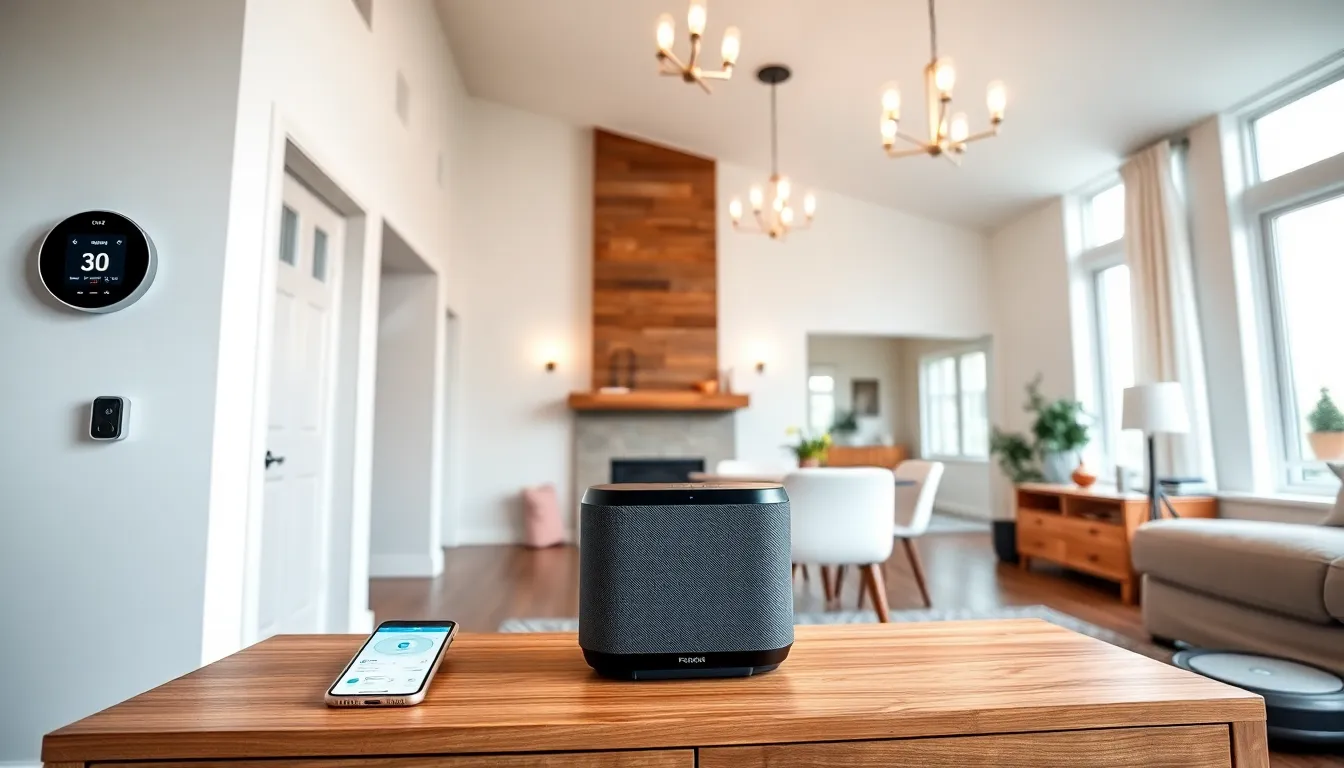
Smart home tech examples range from voice assistants to intelligent thermostats, and they’re changing how people interact with their living spaces. These devices automate routine tasks, improve energy efficiency, and add convenience to daily life. Whether someone wants to control lights with their voice or monitor their home from across the globe, smart home technology offers practical solutions.
The market has grown rapidly. In 2024, over 60% of U.S. households owned at least one smart home device. This growth reflects a shift toward connected living, where appliances, security systems, and entertainment devices work together through a single ecosystem. This guide covers the most popular smart home tech examples, explaining how each category works and why it matters for modern homeowners.
Table of Contents
ToggleKey Takeaways
- Smart home tech examples include voice assistants, smart lighting, thermostats, security devices, and connected appliances that automate daily tasks.
- Voice assistants like Alexa, Google Assistant, and Siri serve as central hubs to control multiple smart devices through simple voice commands.
- Smart thermostats can reduce heating and cooling bills by 10-15% by learning household patterns and adjusting temperatures automatically.
- Smart lighting systems cut energy consumption by 30-40% through motion sensors, scheduling, and app-based control.
- Security devices such as video doorbells, smart locks, and cameras provide 24/7 monitoring and remote access for enhanced home protection.
- Over 60% of U.S. households owned at least one smart home device in 2024, reflecting the rapid adoption of connected living.
Voice Assistants and Smart Speakers
Voice assistants serve as the central hub for most smart home setups. Amazon’s Alexa, Google Assistant, and Apple’s Siri respond to spoken commands, allowing users to control multiple devices without lifting a finger.
Smart speakers like the Amazon Echo, Google Nest Audio, and Apple HomePod house these voice assistants. They play music, answer questions, set reminders, and, most importantly, connect to other smart home tech examples throughout the house. A simple phrase like “turn off the living room lights” triggers instant action.
These devices learn user preferences over time. They recognize different voices, personalize responses, and even suggest routines based on daily habits. For instance, saying “good morning” might prompt the assistant to read the weather forecast, start a coffee maker, and adjust the thermostat.
Popular Options
- Amazon Echo Dot: Affordable entry point with full Alexa capabilities
- Google Nest Hub: Combines voice control with a touchscreen display
- Apple HomePod Mini: Best integration for iPhone users and Apple ecosystem
Voice assistants also support third-party apps and services. Users can order groceries, check bank balances, or call an Uber, all through voice commands. This versatility makes smart speakers one of the most valuable smart home tech examples available today.
Smart Lighting Systems
Smart lighting gives homeowners precise control over brightness, color, and scheduling. Products like Philips Hue, LIFX, and Wyze bulbs connect to Wi-Fi or Bluetooth, enabling control through smartphone apps or voice commands.
The benefits go beyond convenience. Smart lights can reduce energy consumption by 30-40% compared to traditional bulbs. Motion sensors turn lights off automatically when rooms are empty. Scheduling features ensure lights dim at bedtime and brighten gradually in the morning.
Color-changing bulbs add another dimension. Users can set warm tones for relaxation, bright white for productivity, or any color in the spectrum for parties and events. Some systems sync with movies or music, creating immersive entertainment experiences.
Key Features to Consider
- Hub requirements: Some systems need a separate hub: others connect directly to Wi-Fi
- Dimming capabilities: Not all smart bulbs support smooth dimming
- Integration: Check compatibility with existing voice assistants
Smart light switches offer an alternative approach. Instead of replacing every bulb, users install smart switches that control existing fixtures. Brands like Lutron Caseta and TP-Link Kasa provide reliable options. These smart home tech examples prove that small upgrades can transform how people experience their homes.
Smart Thermostats and Climate Control
Smart thermostats learn household patterns and adjust temperatures automatically. The Nest Learning Thermostat, Ecobee, and Honeywell Home are leading smart home tech examples in this category.
These devices track when residents leave and return home. They lower heating or cooling during empty hours and restore comfortable temperatures before anyone walks through the door. The result? Average energy savings of 10-15% on heating and cooling bills.
Remote access adds flexibility. Users can adjust settings from anywhere using smartphone apps. Stuck late at work? Lower the temperature to save energy. Heading home early? Warm up the house before arrival.
Smart thermostats also provide detailed energy reports. They show usage patterns, compare efficiency across months, and suggest improvements. Some utility companies offer rebates for installing these devices because they reduce overall grid demand.
Advanced Features
- Room sensors: Ecobee includes sensors that measure temperature in multiple rooms
- Geofencing: Automatically adjusts based on smartphone location
- HVAC monitoring: Alerts users to potential system problems
Integration with other smart home tech examples amplifies benefits. When combined with smart blinds, the system can close shades during hot afternoons to reduce cooling needs. This coordination creates a more efficient home without manual effort.
Home Security and Surveillance Devices
Security devices represent some of the most practical smart home tech examples for peace of mind. Video doorbells, indoor cameras, and smart locks work together to protect homes and families.
Ring and Google Nest doorbells show who’s at the door through smartphone notifications. Users can speak with visitors remotely, whether they’re at work or on vacation. Motion detection captures activity even when no one rings the bell.
Indoor and outdoor cameras provide 24/7 monitoring. Brands like Arlo, Blink, and Eufy offer wireless options with cloud or local storage. Many include night vision, two-way audio, and person detection to filter out false alerts from pets or passing cars.
Smart locks eliminate the need for physical keys. August, Schlage, and Yale offer models that unlock automatically when residents approach. Temporary codes can be created for guests, cleaners, or delivery personnel, and revoked instantly when no longer needed.
Security System Components
| Device Type | Popular Brands | Key Benefit |
|---|---|---|
| Video Doorbell | Ring, Nest, Eufy | See visitors remotely |
| Smart Lock | August, Schlage | Keyless entry and access control |
| Security Camera | Arlo, Blink | 24/7 monitoring with alerts |
| Motion Sensor | SimpliSafe, Wyze | Detect movement inside or outside |
Professional monitoring services add another layer. Companies like ADT and SimpliSafe offer plans that dispatch emergency services when sensors trigger. These smart home tech examples combine technology with human response for complete protection.
Smart Appliances for the Kitchen and Beyond
Smart appliances extend automation into the kitchen, laundry room, and other areas. These smart home tech examples handle everyday tasks with minimal input from users.
Smart refrigerators from Samsung and LG include internal cameras. Users can check contents remotely while grocery shopping, no more buying milk they already have. Some models track expiration dates and suggest recipes based on available ingredients.
Connected ovens preheat remotely and send alerts when food reaches the right temperature. Brands like June and GE offer models with built-in cameras and AI that recognizes food types and recommends cooking settings.
Robot vacuums have become household staples. iRobot’s Roomba, Roborock, and Ecovacs models map homes, avoid obstacles, and empty their own dustbins. They can be scheduled to clean while residents are away, returning to their charging stations automatically.
Other Notable Smart Appliances
- Smart washers and dryers: Send notifications when cycles finish: some detect fabric types
- Coffee makers: Brew coffee on schedule or through voice commands
- Pet feeders: Dispense food at set times: some include cameras for monitoring
These smart home tech examples demonstrate how automation saves time on repetitive chores. The initial investment often pays off through convenience and, in some cases, reduced utility costs.