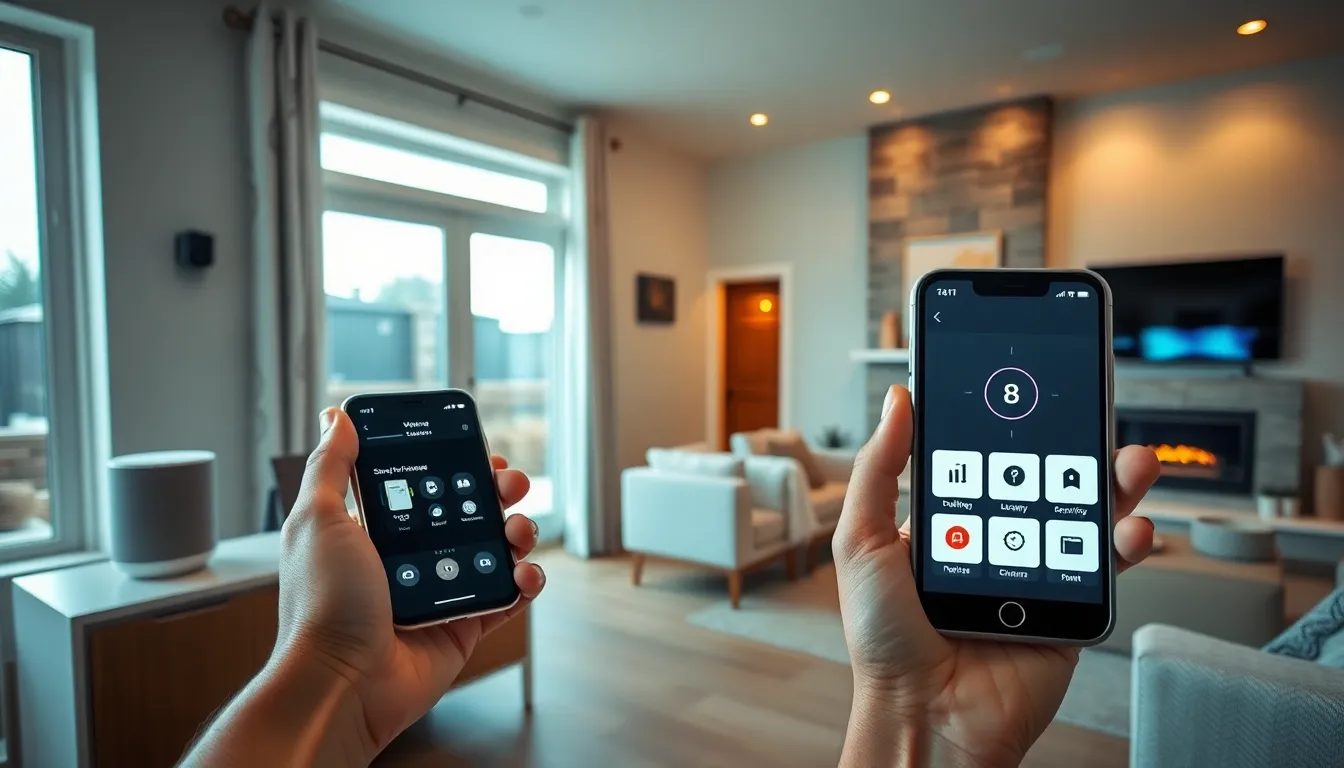
Smart home tech has transformed how people interact with their living spaces. Today, homeowners can control lights, locks, thermostats, and appliances using voice commands or smartphone apps. This technology connects everyday devices to the internet, creating homes that respond to commands and automate daily tasks.
The global smart home market continues to grow rapidly. By 2025, over 400 million households worldwide use at least one smart device. This guide covers everything from basic smart home concepts to advanced setup strategies. Readers will learn about popular devices, key benefits, and essential security practices for connected living.
Table of Contents
ToggleKey Takeaways
- Smart home tech uses sensors, connectivity, and control interfaces to automate everyday tasks and provide remote access to your home.
- Start your smart home setup with one central platform (Alexa, Google Home, or Apple HomeKit) and add devices gradually to avoid frustration.
- Smart thermostats alone can save 10-15% on heating and cooling costs, while overall smart home tech can reduce energy consumption by 10-25%.
- Always change default passwords, enable two-factor authentication, and keep firmware updated to protect your connected devices from security threats.
- Voice assistants and smart speakers serve as the control hub for connected homes, with over 35% of U.S. households already owning at least one.
- Look for devices supporting Matter, the universal smart home standard, to ensure seamless integration across different brands.
What Is Smart Home Technology
Smart home technology refers to devices and systems that connect to the internet and communicate with each other. These devices allow users to control home functions remotely through apps, voice assistants, or automated schedules.
At its core, smart home tech uses three main components: sensors, connectivity, and control interfaces. Sensors detect changes like motion, temperature, or light levels. Connectivity protocols such as Wi-Fi, Zigbee, Z-Wave, or Bluetooth enable devices to communicate. Control interfaces include smartphone apps, voice assistants like Alexa or Google Assistant, and central hubs.
The concept isn’t new, home automation existed in the 1970s. But modern smart home tech differs significantly. Today’s devices are affordable, user-friendly, and designed for regular homeowners rather than tech enthusiasts. A typical smart home setup might include a voice-controlled speaker, smart thermostat, connected light bulbs, and a video doorbell.
Smart home systems operate on two models: cloud-based and local processing. Cloud-based systems send data to remote servers for processing, while local systems keep everything within the home network. Each approach has trade-offs between convenience and privacy.
Popular Smart Home Devices and Categories
Smart home tech spans multiple categories, each serving different household needs.
Smart Speakers and Voice Assistants
Smart speakers serve as the control center for many connected homes. Amazon Echo devices, Google Nest speakers, and Apple HomePods respond to voice commands. They play music, answer questions, and control other smart devices. Over 35% of U.S. households own at least one smart speaker.
Smart Lighting
Connected bulbs and switches offer remote control and automation. Philips Hue, LIFX, and Wyze produce popular smart lighting products. Users can adjust brightness, change colors, and set schedules from their phones. Motion-activated lighting adds convenience and security.
Smart Thermostats
Devices like Nest, Ecobee, and Honeywell learn household patterns and adjust temperatures automatically. The average smart thermostat saves 10-15% on heating and cooling costs annually. These devices also provide remote access, so users can adjust settings before arriving home.
Smart Security
Video doorbells from Ring, Nest, and Eufy let homeowners see visitors from anywhere. Smart locks eliminate the need for physical keys. Security cameras monitor properties and send alerts when motion is detected. Complete smart home tech security systems integrate cameras, sensors, and professional monitoring.
Smart Appliances
Refrigerators, washing machines, and ovens now feature internet connectivity. These appliances send maintenance alerts, allow remote operation, and integrate with other smart home devices.
Benefits of a Connected Home
Smart home tech delivers practical advantages that improve daily life.
Convenience and Time Savings
Automation handles repetitive tasks. Lights turn on at sunset. Coffee makers start brewing at scheduled times. Garage doors close automatically at night. These small efficiencies add up, freeing time and mental energy.
Energy Efficiency
Connected devices help reduce utility bills. Smart thermostats optimize heating and cooling. Smart plugs identify energy-draining appliances. Automated lighting ensures lights aren’t left on in empty rooms. Studies show smart home tech can reduce home energy consumption by 10-25%.
Enhanced Security
Smart locks provide keyless entry and access logs. Cameras and doorbells offer real-time monitoring from anywhere. Motion sensors trigger alerts and activate lights. Homeowners gain visibility and control even when traveling.
Accessibility
Voice control benefits people with mobility limitations. Elderly residents can use simple voice commands instead of physical switches. Smart home tech enables independence for those who might otherwise need assistance with daily tasks.
Peace of Mind
Leak sensors detect water problems before major damage occurs. Smoke and carbon monoxide detectors send phone alerts. Users can check locks and camera feeds remotely. This constant connection reduces worry about home safety.
Setting Up Your Smart Home Ecosystem
Building an effective smart home tech setup requires planning and strategic choices.
Choose a Central Platform
Most smart homes operate through one main ecosystem: Amazon Alexa, Google Home, or Apple HomeKit. Each platform has strengths. Alexa offers the widest device compatibility. Google provides excellent voice recognition. Apple prioritizes privacy and security. Select one platform as the foundation and ensure new purchases support it.
Start Small
Begin with one or two devices that solve immediate problems. A smart thermostat or video doorbell makes an excellent starting point. Add devices gradually as comfort with the technology grows. Rushing to automate everything often creates frustration.
Consider Network Requirements
Smart home tech devices require reliable Wi-Fi. Homes with many connected devices may need a mesh network system. Position routers centrally and consider dedicated networks for smart devices.
Plan for Integration
Check compatibility before purchasing new devices. Look for products that support Matter, a new universal smart home standard. This protocol allows devices from different brands to work together seamlessly.
Create Useful Automations
Once devices are installed, build routines that add value. Morning routines can adjust thermostats, play news briefings, and turn on lights. Away modes can lock doors, arm security systems, and adjust climate settings. Good automation should feel invisible, working in the background without requiring attention.
Privacy and Security Considerations
Connected devices introduce security risks that require attention.
Network Security Basics
Change default passwords on all smart home tech devices immediately after installation. Use strong, unique passwords for each device and account. Enable two-factor authentication wherever available. Keep device firmware updated to patch security vulnerabilities.
Data Collection Awareness
Smart devices collect data about household activities, schedules, and preferences. Manufacturers use this information for product improvement and sometimes advertising. Read privacy policies and understand what data each device collects. Disable features that share more information than necessary.
Voice Assistant Considerations
Voice-activated devices listen for wake words constantly. This creates potential privacy concerns. Most platforms allow users to review and delete voice recordings. Consider muting microphones during sensitive conversations.
Secure Your Network
Create a separate guest network for smart home devices. This isolates them from computers and phones containing sensitive personal data. If one smart device is compromised, attackers can’t easily access other network devices.
Research Before Buying
Not all smart home tech manufacturers prioritize security equally. Choose established brands with good security track records. Avoid cheap devices from unknown manufacturers that may lack proper security features. Read reviews that specifically address security and privacy.