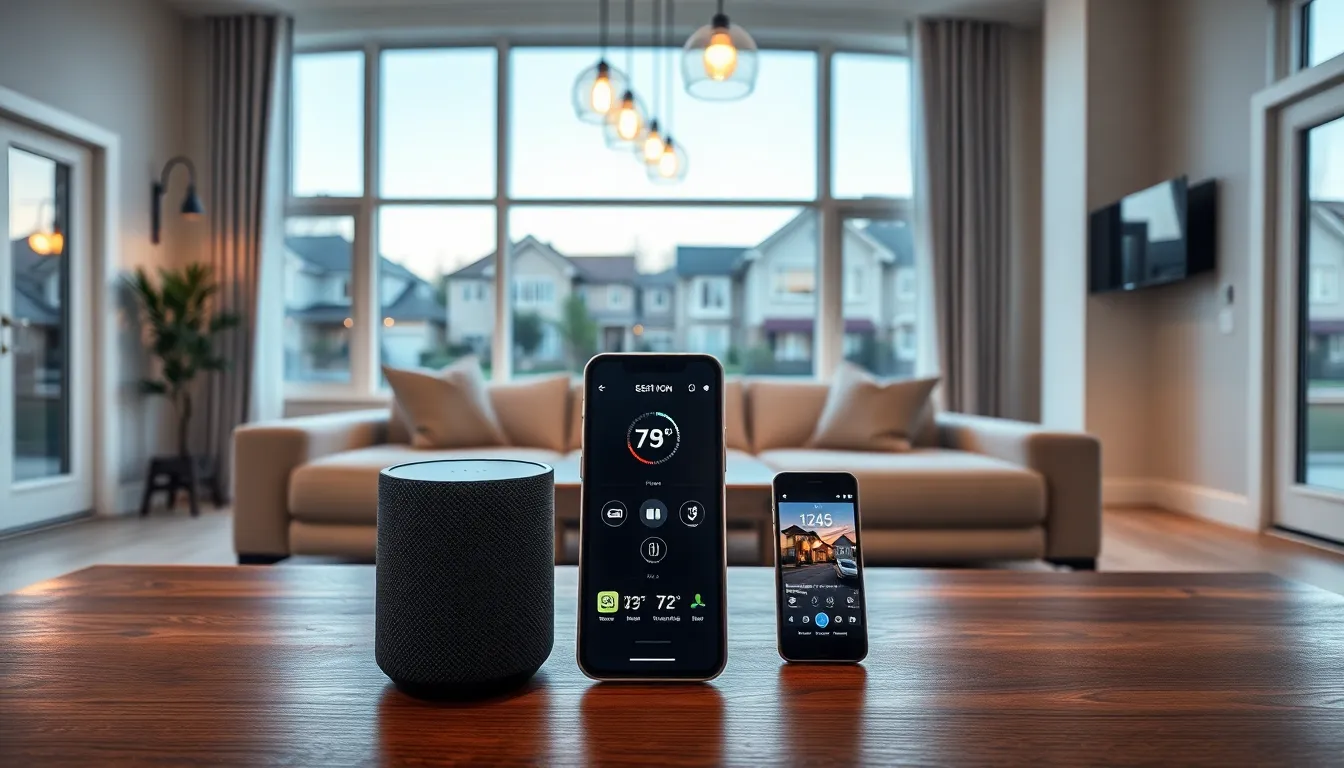
The best smart home tech transforms ordinary houses into connected, efficient living spaces. Smart devices now control lighting, security, climate, and entertainment with simple voice commands or smartphone taps. Homeowners save money on energy bills while gaining convenience they didn’t know they needed.
The smart home market has exploded in recent years. Industry reports show global smart home device shipments reached over 900 million units in 2024. This growth reflects a shift in how people interact with their homes. Whether someone wants to dim the lights without leaving the couch or check their front door from across the country, the best smart home tech makes it possible.
This guide covers the essential categories of smart home technology. Each section breaks down what works, what matters, and what delivers real value for everyday use.
Table of Contents
ToggleKey Takeaways
- The best smart home tech includes smart speakers, lighting, thermostats, security devices, and hubs that work together in a unified ecosystem.
- Smart thermostats like Google Nest can save 10-15% on energy bills, paying for themselves within two years.
- Choose a smart speaker platform (Alexa, Google, or Apple) that matches your existing devices for seamless integration.
- Smart security systems combining video doorbells, cameras, and smart locks provide comprehensive home protection with remote monitoring.
- Matter protocol enables cross-platform compatibility, allowing devices to work with any major smart home ecosystem.
- Start with easy entry points like smart lighting or a voice assistant, then expand your best smart home tech setup gradually.
Smart Speakers and Voice Assistants
Smart speakers serve as the voice-controlled command centers of modern homes. These devices respond to spoken requests, play music, answer questions, and control other smart home tech throughout the house.
Amazon Echo devices remain the most popular choice in this category. The Echo Dot offers an affordable entry point at around $50, while the Echo Studio delivers premium audio quality for music lovers. Amazon’s Alexa assistant supports over 100,000 skills, making it compatible with most smart home products on the market.
Google Nest speakers provide strong competition. The Nest Audio produces excellent sound quality for its size, and Google Assistant excels at answering complex questions. Google’s ecosystem integrates smoothly with Android phones and Chromecast devices.
Apple’s HomePod mini appeals to iPhone users who want tight integration with their existing devices. Siri handles basic commands well, though it supports fewer third-party products than its competitors.
When choosing a smart speaker, buyers should consider their existing devices. Someone with an Android phone and Chromecast will find Google products more intuitive. iPhone users benefit from Apple’s seamless connectivity. The best smart home tech works within the ecosystem a household already uses.
Smart Lighting Systems
Smart lighting represents one of the easiest entry points into home automation. These systems let users control brightness, color, and scheduling from their phones or voice assistants.
Philips Hue dominates the premium smart lighting market. The Hue ecosystem includes bulbs, light strips, outdoor fixtures, and sync boxes for entertainment systems. A starter kit costs around $150 and includes four bulbs plus the required bridge hub. The color accuracy and app design justify the higher price for many users.
Wyze bulbs offer budget-friendly alternatives at under $10 per bulb. They connect directly to WiFi without requiring a separate hub. The trade-off involves slightly less reliability and fewer features than premium options.
Nanoleaf panels create artistic wall displays that respond to music or sync with games and movies. These decorative lights appeal to gamers and content creators who want their space to stand out.
Smart switches represent another approach. Lutron Caseta switches replace existing wall switches and control any bulb connected to them. This option works well for people who want smart control without replacing every bulb in their home.
The best smart home tech in lighting depends on the goal. Someone wanting simple on/off scheduling needs different products than someone building an immersive home theater setup.
Smart Thermostats and Climate Control
Smart thermostats deliver measurable savings on heating and cooling costs. These devices learn household patterns and adjust temperatures automatically to reduce energy waste.
The Google Nest Learning Thermostat remains an industry leader. It tracks when people come and go, then creates a schedule based on actual behavior. Google reports that Nest users save an average of 10-12% on heating bills and 15% on cooling costs. The device pays for itself within two years for most households.
Ecobee SmartThermostat offers a compelling alternative with included room sensors. These sensors detect occupancy in different areas, preventing the system from heating empty rooms. The built-in Alexa speaker adds smart assistant functionality without requiring a separate device.
The Wyze Thermostat provides basic smart features at around $50, a fraction of premium competitors. It lacks learning capabilities but offers app control, scheduling, and energy tracking.
Smart vents like Flair work alongside thermostats to direct airflow to specific rooms. They close vents in unused spaces and open them where cooling or heating is needed. This technology works especially well in homes with uneven temperature distribution.
Climate control represents some of the best smart home tech for return on investment. The energy savings compound over time, making these devices practical purchases rather than luxury gadgets.
Smart Security Devices
Smart security devices give homeowners real-time awareness of what’s happening on their property. Video doorbells, cameras, and smart locks form a comprehensive protection system.
Ring Video Doorbell products pioneered the category and maintain strong market share. The Ring Video Doorbell 4 offers 1080p video, two-way audio, and motion detection for around $200. Monthly subscription plans unlock cloud storage and additional features. Ring’s neighborhood alert system shares relevant security footage among nearby users.
Arlo cameras provide wireless, battery-powered options that install anywhere without running cables. The Arlo Pro 4 records in 2K resolution and includes a spotlight for color night vision. These cameras work well for renters who can’t modify their homes.
August smart locks replace traditional deadbolts while keeping the existing exterior keyhole. This design lets guests use physical keys while owners unlock doors remotely. The auto-lock feature prevents the common problem of leaving home with an unlocked door.
Eufy security products offer local storage without monthly fees. The Eufy Video Doorbell stores footage on a home base unit rather than the cloud. Privacy-conscious buyers appreciate this approach.
The best smart home tech for security combines multiple devices. A video doorbell shows who’s at the front door, cameras monitor the perimeter, and smart locks provide keyless entry. Integration with voice assistants allows users to check cameras on their smart displays with a simple command.
Smart Home Hubs and Integration
Smart home hubs connect devices from different manufacturers into one unified system. They solve the common problem of juggling multiple apps to control various products.
Samsung SmartThings serves as a versatile hub supporting Zigbee, Z-Wave, and WiFi devices. This compatibility range includes thousands of products from different brands. The SmartThings app creates automations that trigger actions across devices, motion sensors can turn on lights and adjust thermostats simultaneously.
Apple HomeKit provides a streamlined experience for Apple users. The Home app controls all HomeKit-compatible devices from iPhones, iPads, and Macs. An Apple TV or HomePod acts as a home hub for remote access.
Matter represents the newest development in smart home integration. This universal protocol launched in 2022 and gains support from major manufacturers. Matter-certified devices work across platforms, so a Matter light bulb controlled by Alexa today can switch to Google Home tomorrow without replacement.
Home Assistant appeals to tech-savvy users who want maximum customization. This open-source platform runs on a small computer and integrates with over 1,800 different devices. The learning curve is steep, but the flexibility exceeds commercial alternatives.
Choosing the best smart home tech often means selecting a primary platform first. Devices that work together create more useful automations than isolated gadgets. A well-integrated system anticipates needs, lights turn on at sunset, the thermostat adjusts when everyone leaves, and cameras record when motion is detected.