Smart home tech trends 2026 point toward a major shift in how people interact with their living spaces. Homes are becoming more intuitive, energy-efficient, and secure than ever before. The next wave of innovation brings AI assistants that actually understand context, energy systems that cut utility bills, and security features that respect privacy. This article breaks down the key smart home tech trends 2026 will bring, and explains why they matter for homeowners ready to upgrade.
Table of Contents
ToggleKey Takeaways
- Smart home tech trends 2026 focus on AI that learns household routines and handles multi-step tasks with single voice commands like “goodnight.”
- Energy management systems automatically shift usage to off-peak hours, integrate with solar panels, and deliver measurable savings on utility bills.
- On-device processing for AI and facial recognition keeps personal data local, addressing privacy concerns while improving response times.
- The Matter standard enables seamless device interoperability, letting homeowners mix products from Apple, Google, Amazon, and Samsung without compatibility issues.
- Health and wellness features—including air quality monitoring, sleep optimization, and fall detection—transform smart homes into active participants in occupant well-being.
- Enhanced security innovations include biometric authentication, package theft protection, and built-in cybersecurity threat detection for home networks.
AI-Powered Home Automation Gets Smarter
Artificial intelligence in smart homes is moving beyond simple voice commands. In 2026, AI systems will learn household routines without explicit programming. These systems observe patterns, when residents wake up, leave for work, or settle in for the evening, and adjust lighting, temperature, and music accordingly.
The latest smart home tech trends 2026 show AI assistants handling multi-step tasks with a single request. Instead of saying “turn off the lights, lock the door, and set the thermostat to 68,” homeowners can simply say “goodnight.” The system knows what that means for their specific household.
Generative AI also enters the picture. Smart displays can now create custom recipes based on what’s in the fridge, suggest outfit combinations based on weather forecasts, or draft shopping lists by analyzing consumption patterns. These aren’t gimmicks, they’re practical tools that save time.
Privacy-focused processing is another key development. More AI computations happen on-device rather than in the cloud. This means faster response times and fewer concerns about personal data traveling to external servers.
Energy Management and Sustainability Features
Rising energy costs and climate concerns push sustainability to the forefront of smart home tech trends 2026. Smart thermostats now coordinate with local utility grids to shift energy usage to off-peak hours automatically. Homeowners save money without lifting a finger.
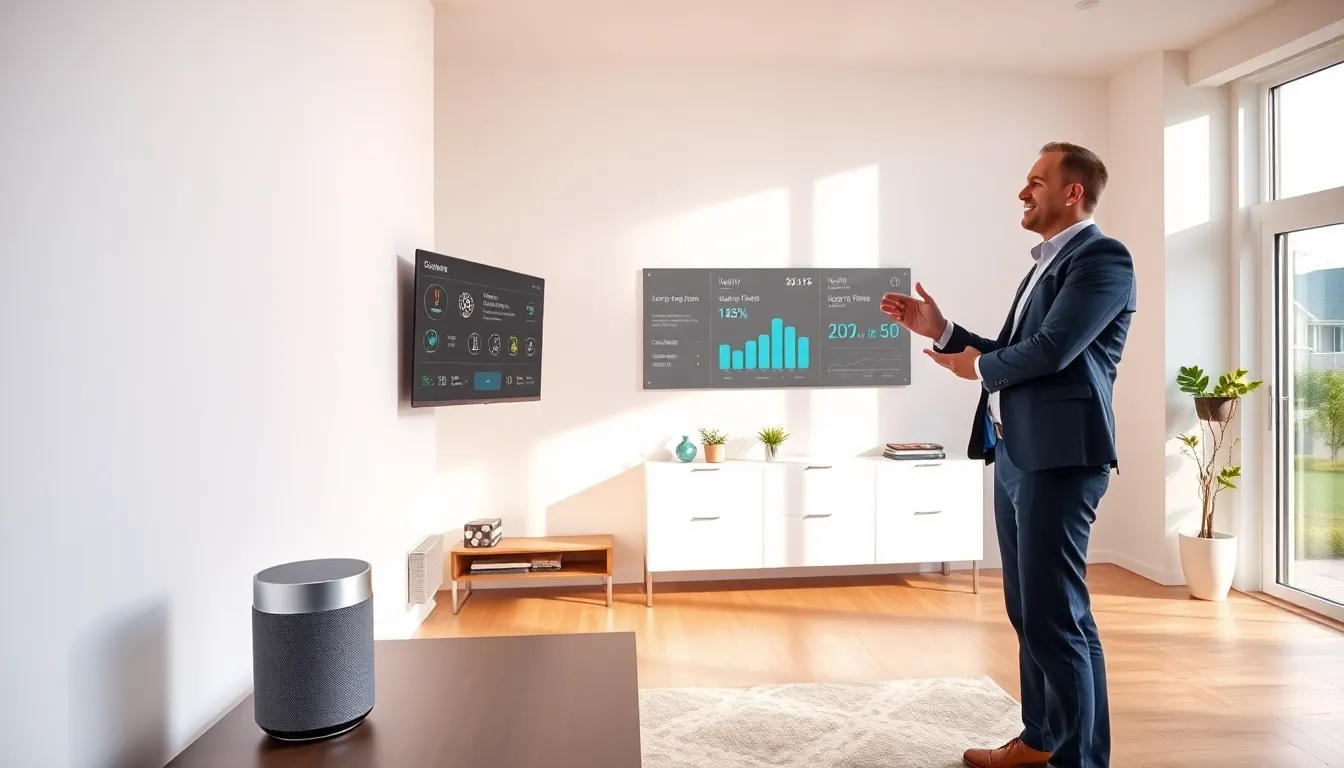
Solar panel integration has become standard in many smart home ecosystems. Systems track energy production, storage levels, and consumption in real time. Dashboards show exactly how much power the home generates versus how much it draws from the grid.
Smart appliances contribute to energy savings too. Washing machines, dishwashers, and dryers can delay cycles until electricity rates drop. Some refrigerators adjust cooling intensity based on how often the door opens throughout the day.
Water monitoring joins the sustainability conversation. Smart sensors detect leaks before they cause damage and track usage room by room. Homeowners receive alerts when consumption spikes unexpectedly, catching running toilets or dripping faucets early.
These smart home tech trends 2026 reflect a broader shift. People want their homes to work smarter, not just respond to commands. Energy management systems deliver measurable savings while reducing environmental impact.
Enhanced Security and Privacy Innovations
Security remains a top priority in smart home tech trends 2026. Video doorbells and cameras now use on-device facial recognition. They distinguish between family members, regular visitors, and strangers without sending footage to external servers.
Package theft protection has improved significantly. Smart cameras detect when deliveries arrive and can trigger secure lockboxes or notify homeowners instantly. Some systems even communicate with delivery drivers through two-way audio.
Privacy innovations address growing concerns about data collection. New smart home devices offer local-only operation modes. Users can enjoy automation features without any internet connection, keeping all data within the home network.
Cybersecurity gets an upgrade as well. Smart home hubs now include built-in threat detection that monitors network traffic for suspicious activity. If a device behaves abnormally, the system isolates it and alerts the homeowner.
Biometric authentication expands beyond fingerprints. Voice recognition, facial scanning, and even gait analysis help verify identity for high-security actions like unlocking doors or disabling alarm systems. These smart home tech trends 2026 reflect consumer demand for protection without sacrificing convenience.
Seamless Device Interoperability With Matter
The Matter standard continues to reshape smart home tech trends 2026. This protocol allows devices from different manufacturers to communicate effortlessly. A smart lock from one brand works perfectly with a hub from another.
Adoption has accelerated rapidly. Major manufacturers, including Apple, Google, Amazon, and Samsung, support Matter across their product lines. Consumers no longer need to research compatibility before purchasing new devices.
Setup processes have simplified dramatically. Scanning a QR code adds devices to the network in seconds. The days of downloading separate apps for each smart home product are fading.
Matter 2.0 brings additional device categories into the fold. Robot vacuums, smart appliances, and energy management systems now speak the same language as lights and thermostats. This expansion makes whole-home automation more accessible.
For homeowners, Matter means freedom. They can mix and match products based on features and price rather than ecosystem loyalty. Smart home tech trends 2026 show interoperability as a key purchasing factor, and Matter delivers on that promise.
Health and Wellness Monitoring at Home
Health-focused features emerge as significant smart home tech trends 2026. Smart mirrors display vital signs, sleep quality scores, and fitness recommendations during morning routines. They connect with wearables to provide a complete health picture.
Air quality monitoring has become standard in premium smart home setups. Sensors track particulate matter, CO2 levels, humidity, and VOCs. HVAC systems respond automatically, increasing ventilation or activating purifiers when levels exceed healthy thresholds.
Sleep optimization technology has matured considerably. Smart beds adjust firmness and temperature throughout the night based on sleep stage data. Bedroom lighting systems simulate natural sunrise patterns to support healthy circadian rhythms.
Elderly care applications drive innovation in this space. Motion sensors can detect falls or unusual activity patterns and alert family members or emergency services. Medication reminders appear on smart displays at scheduled times.
Mental wellness features round out the health category. Smart lighting adjusts color temperature throughout the day to boost alertness or relaxation. Some systems offer guided breathing exercises or ambient soundscapes triggered by stress indicators from connected wearables.
These smart home tech trends 2026 transform houses into active participants in occupant health, not just passive shelters.