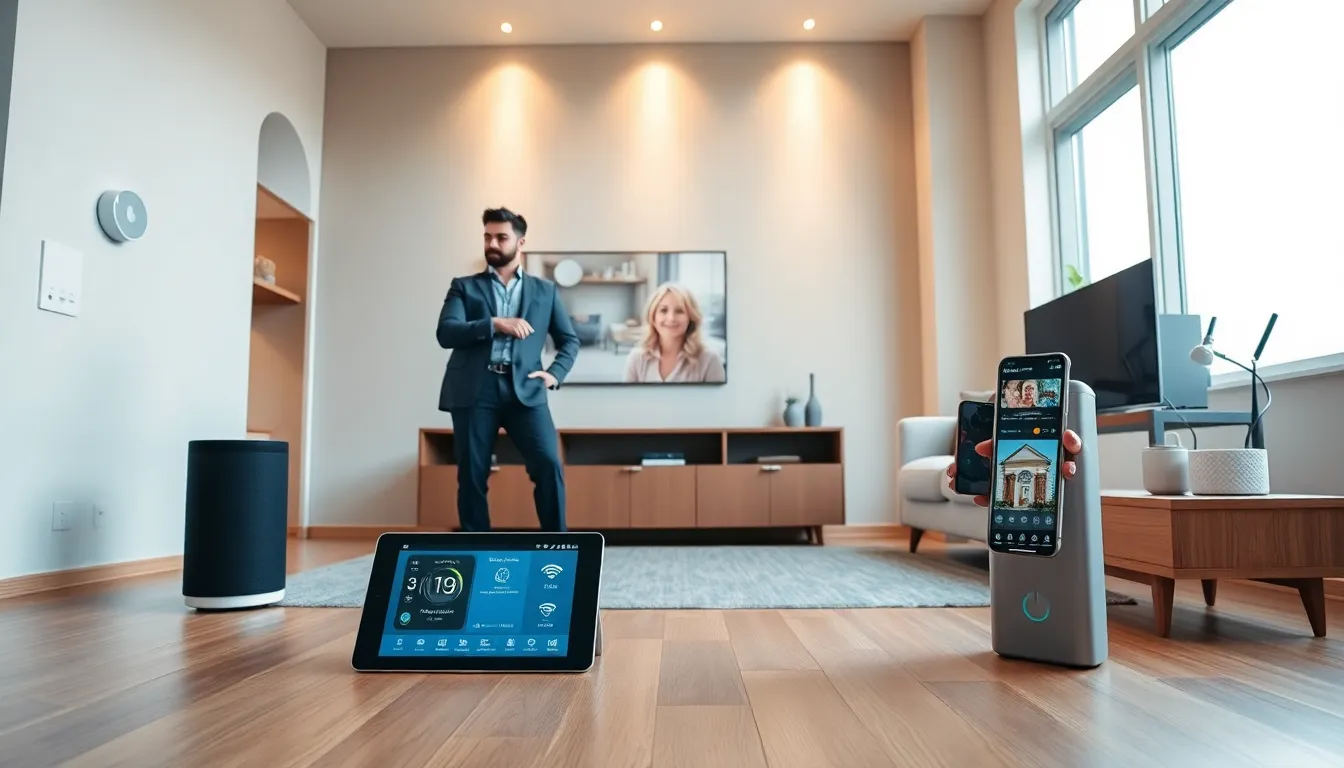
Smart home tech tips can transform how people live, work, and interact with their living spaces. The average household now contains multiple connected devices, from voice assistants to smart thermostats. Yet many beginners feel overwhelmed by the options available. This guide breaks down the essentials of home automation into clear, actionable steps. Readers will learn how to choose the right ecosystem, select starter devices, create useful routines, and keep their systems secure. By the end, anyone can build a smarter home without the confusion.
Table of Contents
ToggleKey Takeaways
- Choose one smart home ecosystem (Alexa, Google Home, or HomeKit) based on your existing devices to avoid compatibility issues.
- Start with high-impact devices like smart speakers, lighting, thermostats, or video doorbells before expanding your setup.
- Create simple automation routines for morning, away, and evening scenarios to make your smart home work without manual intervention.
- Secure your smart home by using a separate Wi-Fi network, strong unique passwords, and enabling two-factor authentication.
- Look for Matter-compatible products when shopping to future-proof your smart home tech investments across platforms.
- Troubleshoot connectivity issues by ensuring devices are within Wi-Fi range and using the 2.4GHz band for most smart devices.
Choosing the Right Smart Home Ecosystem
The first decision in any smart home journey involves picking an ecosystem. The three major platforms, Amazon Alexa, Google Home, and Apple HomeKit, each offer distinct advantages.
Amazon Alexa works with the largest number of third-party devices. It excels at voice commands and offers affordable entry points through Echo devices. Alexa integrates with over 100,000 smart home products, making it ideal for those who want maximum flexibility.
Google Home shines in search functionality and natural language processing. Users can ask complex questions and receive accurate answers. Google’s ecosystem connects seamlessly with Android phones and Chromecasts. The Google Nest Hub serves as a solid central control point.
Apple HomeKit prioritizes privacy and security. It requires devices to meet strict encryption standards before joining the ecosystem. HomeKit works best for households already invested in Apple products like iPhones, iPads, and Macs.
Here’s a practical smart home tech tip: stick with one primary ecosystem. Mixing platforms creates compatibility headaches and fragments voice control. Choose based on the phones and devices already in the home. Android users typically find Google Home more intuitive, while iPhone owners often prefer HomeKit’s tight integration.
The Matter protocol, launched in 2022, now allows many devices to work across all major ecosystems. When shopping, look for Matter-compatible products to future-proof investments.
Essential Devices to Start Your Smart Home
Building a smart home doesn’t require buying everything at once. Start with devices that deliver immediate, noticeable benefits.
Smart Speakers and Displays
A smart speaker acts as the command center for most homes. Amazon Echo Dot, Google Nest Mini, or Apple HomePod Mini cost under $50 and provide voice control for connected devices. Smart displays add visual feedback and can show camera feeds, recipes, or video calls.
Smart Lighting
Lighting upgrades offer the most visible smart home tech improvement. Philips Hue, LIFX, and Wyze bulbs allow users to adjust brightness, color, and scheduling through apps or voice commands. Smart switches from Lutron or TP-Link control existing fixtures without replacing bulbs.
Smart Thermostats
Devices like the Nest Learning Thermostat or Ecobee can reduce energy bills by 10-15%. They learn household patterns and adjust temperatures automatically. Most utility companies offer rebates for smart thermostat installation.
Smart Plugs
Smart plugs convert any standard appliance into a connected device. Plug in a lamp, fan, or coffee maker and control it remotely. They typically cost $10-25 and require zero installation skill.
Video Doorbells and Cameras
Ring, Nest, and Arlo offer video doorbells that show visitors before opening the door. Indoor and outdoor cameras add security monitoring. Many smart home tech tips emphasize starting with a doorbell camera, it provides peace of mind quickly.
Begin with two or three categories. Add more devices as comfort with the technology grows.
Setting Up Effective Automation Routines
Automation transforms individual smart devices into a coordinated system. The goal is creating routines that work without manual intervention.
Morning Routines
A well-designed morning routine might gradually brighten bedroom lights at 6:30 AM, adjust the thermostat to a comfortable temperature, and start the coffee maker. The smart speaker can then announce the weather forecast and daily calendar events. These actions trigger automatically based on time or a wake-up alarm.
Away Routines
When everyone leaves home, an away routine can lock doors, arm security systems, turn off lights, and lower the thermostat. Geofencing technology detects when the last phone leaves a defined area and triggers these actions automatically.
Evening Routines
As the sun sets, smart lights can automatically shift to warmer tones. A bedtime command might lock all doors, turn off downstairs lights, and set the alarm system to night mode.
Practical Smart Home Tech Tips for Automation
- Start simple. Create one routine and test it for a week before adding complexity.
- Use conditional triggers. “If motion is detected after sunset, turn on the porch light” works better than time-based rules alone.
- Build in delays. A 30-second delay before locking doors prevents lockouts when someone steps outside briefly.
- Test failure scenarios. What happens if the internet goes down? Most routines should have manual overrides.
Apps like IFTTT (If This Then That) connect devices across different ecosystems. They enable creative automations that native apps don’t support.
Security and Privacy Best Practices
Connected devices create potential entry points for hackers. Strong security habits protect both data and physical safety.
Network Security
Create a separate Wi-Fi network for smart home devices. Most modern routers support guest networks or VLANs. This isolates IoT devices from computers and phones containing sensitive information. If a smart device gets compromised, attackers can’t easily access personal files or banking apps.
Password Practices
Use unique, strong passwords for every smart home account. A password manager like 1Password or Bitwarden stores credentials securely. Enable two-factor authentication wherever available, especially for cameras and door locks.
Firmware Updates
Manufacturers release updates to patch security vulnerabilities. Enable automatic updates when possible. Check monthly for devices that require manual updating. Outdated firmware is a common attack vector.
Smart Home Tech Tips for Privacy
- Review privacy settings in each device’s app. Disable features that share data unnecessarily.
- Mute smart speakers when discussing sensitive topics. The physical mute button ensures the microphone is truly off.
- Choose local processing over cloud-based options when available. Some cameras and voice assistants can process data on-device.
- Research manufacturers before purchasing. Companies with poor security track records put entire homes at risk.
Device Placement
Avoid placing cameras in private areas like bedrooms or bathrooms. Position smart speakers away from windows to prevent outsiders from issuing voice commands. These simple steps protect privacy without sacrificing convenience.
Troubleshooting Common Smart Home Issues
Even well-designed systems encounter problems. Knowing how to diagnose and fix issues saves frustration.
Connectivity Problems
Most smart home tech issues stem from Wi-Fi problems. Devices far from the router may lose connection frequently. Solutions include:
- Add mesh Wi-Fi nodes or range extenders
- Move the router to a central location
- Reduce interference from microwaves, baby monitors, or cordless phones
- Upgrade to a router that supports both 2.4GHz and 5GHz bands (most smart devices prefer 2.4GHz)
Device Not Responding
When a device stops responding, try these steps in order:
- Check if the device has power
- Verify the app shows the device as online
- Restart the device by unplugging for 10 seconds
- Restart the router
- Remove and re-add the device to the app
Voice Commands Not Working
Smart speakers sometimes misinterpret commands. Rename devices with simple, distinct names. “Kitchen light” works better than “Philips Hue A19 Living Room 2.” Avoid names that sound similar, “bedroom” and “bathroom” often cause confusion.
Automation Failures
When routines stop working, check each component individually. One offline device can break an entire automation chain. Review automation logs in the app to identify which step failed.
Smart Home Tech Tips for Prevention
- Label smart plugs and switches physically so anyone can identify which device they control
- Document automations in a simple spreadsheet or note
- Keep spare bulbs and plugs on hand for quick replacements
- Join manufacturer forums or Reddit communities for device-specific help
Patience matters. Most problems have simple solutions that become obvious after systematic troubleshooting.